

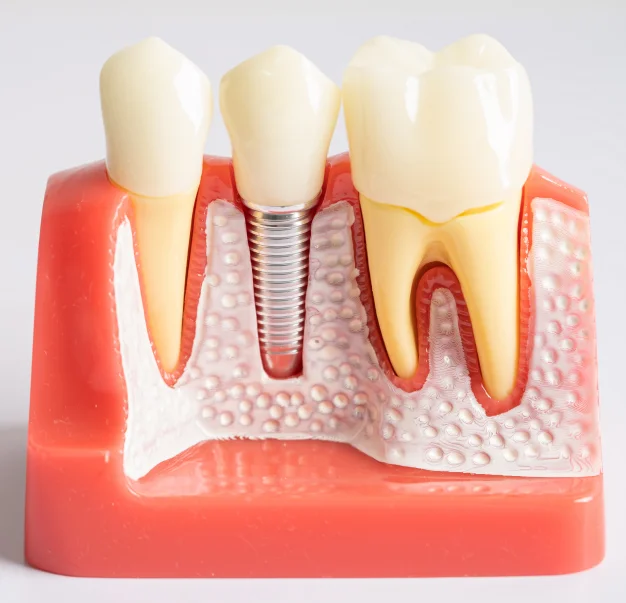
Understanding Endosteal Dental Implants
Endosteal dental implants are titanium posts that are surgically placed into the jawbone. These posts serve as artificial tooth roots, providing a stable foundation for crowns, bridges, or dentures. Unlike dentures, which can slip or become uncomfortable, endosteal implants offer a natural-feeling and secure solution for missing teeth.
The Benefits of Endosteal Dental Implants
There are several benefits for endosteal implants, including:
- Improved Function: Endosteal dental implants restore chewing, speaking, and smiling abilities.
- Enhanced Aesthetics: Implants can significantly improve the appearance of your smile.
- Increased Confidence: Replacing missing teeth can boost your self-esteem and overall quality of life.
- Durability: Endosteal implants are designed to last many years with proper care.
- Comfort: Implants provide a comfortable and stable fit compared to dentures.
Candidacy for Endosteal Implants
Your candidacy for endosteal dental implants can be determined by your oral surgeon or dentist. To be a good candidate for endosteal implants, you need adequate jawbone density and must be in good overall health.
Patients with chronic illnesses, such as diabetes, or those who smoke or use tobacco products may not be candidates as it increases their chances of implant failure.
Endosteal dental implants aren’t recommended for patients with severe bone loss. For those specific cases, your dentist may consider other tooth replacement options or a supplemental procedure, such as bone grafting or a sinus lift.
Ideal candidates for endosteal implants meet the following criteria:
- Excellent oral and general health
- Healthy gum tissue
- Fully grown jawbone and enough bone in the jaw
- Can maintain a pristine at-home oral hygiene routine
- Visits the dentist twice a year for checkups and dental cleanings
The Endosteal Dental Implant Procedure
The endosteal dental implant procedure typically involves several stages:
- Consultation: Dr. Clark will assess your oral health and discuss your treatment goals.
- Bone Grafting (if necessary): If your jawbone lacks sufficient density, a bone grafting procedure may be required.
- Implant Placement: The implants are surgically placed into the jawbone.
- Healing Period: The implants will need time to integrate with the surrounding bone.
- Abutment Placement: A connector piece called an abutment is attached to the implant.
- Restoration: A crown, bridge, or denture is fabricated and attached to the abutment.
Aftercare for Endosteal Implants
After receiving an endosteal implant, it’s ideal to have:
- Rest: It’s important to rest and avoid strenuous activity for the first few days after surgery.
- Medication: Follow your dentist’s instructions for taking prescribed pain medication.
- Diet: Stick to a soft food diet to avoid irritating the implant site.
- Gentle Brushing: Use a soft-bristled toothbrush to gently clean your teeth, avoiding the implant site for the first few days.
- Regular Check-ups: Attend follow-up appointments with your dentist to monitor the healing progress and ensure the implant is integrating successfully.
Alternatives to Endosteal Implants
While an endosteal implant is the most popular type, there are other alternative implants and tooth replacement options. A dental professional may recommend any of the following alternatives:
- Zygomatic Implants: These are longer than an endosteal implant and are anchored into the cheekbone rather than the jawbone. They’re suitable for patients with severe bone loss in the upper jaw.
- Subperiosteal Implants: These implants are placed on the jawbone but beneath the gum tissue. Subperiosteal implants are suitable for patients who have lost a significant amount of bone density in their jaw, and they’re unable to support an endosteal implant.
- Removable Dentures: These are a non-surgical option for patients who have lost several teeth or all of their teeth. Dentures can be removed for cleaning and maintenance.
- Dental Bridges: A prosthetic device that replaces one or more missing teeth by attaching to the surrounding natural teeth on either side of the gap.
To determine the best tooth replacement option, our dentist will evaluate your dental health and discuss your smile goals. If you’re in Prairie Village, contact our dentist today to schedule your implant consultation.
Schedule a Dental Implant Consultation with Dr. Clark Today
Endosteal dental implants are a highly effective and long-lasting solution for replacing missing teeth. Not only do they look and function like natural teeth, but they also help preserve the integrity of the jawbone and prevent surrounding teeth from shifting.
To learn more about endosteal dental implants, get in touch with our Prairie Village, KS, dentist today by calling (913) 362-4488. We serve patients from Prairie Village, Overland Park, Leawood, and surrounding areas.
Frequently Asked Questions
The duration of an endosteal dental implant procedure can vary depending on several factors. Generally, the entire process, from initial consultation to final restoration, can take several months. However, the surgical placement of the implants themselves typically takes a few hours.
The procedure is usually performed under local anesthesia, which numbs the area around the implant site. This means you should experience minimal discomfort during the surgery. After the procedure, there may be some soreness or swelling, but this can be managed with over-the-counter pain medication.
With proper care, endosteal dental implants can last for many years. They are made from titanium, a biocompatible material that is highly durable and resistant to corrosion. Regular dental check-ups and professional cleanings are essential for maintaining the health and longevity of your implants.
Yes, endosteal dental implants can be used to replace multiple missing teeth. There are several options available:
- Dental bridge: A bridge can be supported by two or more implants to replace multiple teeth in a row.
- Dental implant-supported denture: A denture can be attached to implants for a more secure and comfortable fit compared to traditional dentures.
The best option for you will depend on your specific needs and preferences.

